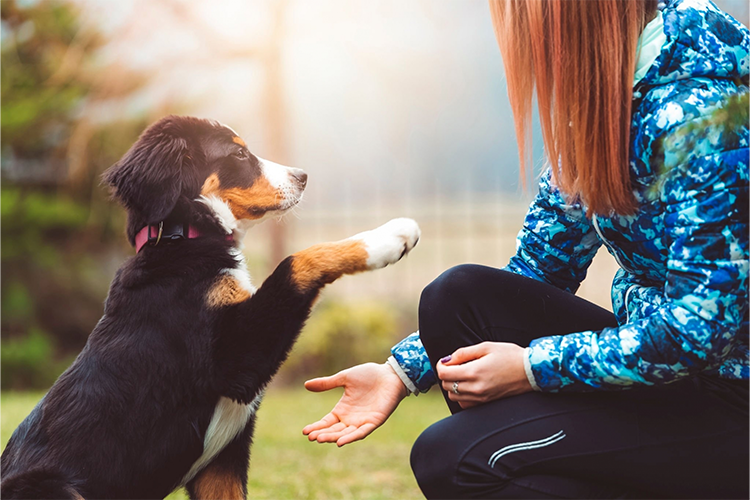
Top 5 Secrets to Training Your Dog Like a Pro Pup Whisperer
Training your dog requires patience, consistency, and a sprinkle of professional insight. Here are the Top 5 Secrets to training your dog like a pro pup whisperer:
- Establish a Routine: Dogs thrive on consistency. Set a daily schedule for feeding, walks, and training sessions to help your dog understand what to expect. This structured environment creates a sense of stability, allowing your pup to respond better to commands.
- Positive Reinforcement: Instead of using punishment, focus on rewarding good behavior. Positive reinforcement builds trust and encourages your dog to repeat desired behaviors.
- Socialization is Key: Early socialization is crucial for a well-adjusted dog. Expose your puppy to various environments, people, and other animals. This helps them develop confidence and reduces the chances of fear-based aggression later in life. For more about socialization, check out this guide from the ASPCA.
- Be Patient and Stay Calm: Training can be frustrating at times. Maintaining a calm and patient demeanor will help create a positive atmosphere for learning. Remember, a relaxed trainer equals a relaxed dog!
- Consistency in Commands: Use the same command for each behavior consistently. If you're teaching your dog to sit, always use the word 'sit' and not 'sit down’ or other variations. This clarity helps your dog learn more effectively.
Understanding Canine Body Language: A Guide for Aspiring Dog Trainers
Understanding canine body language is essential for aspiring dog trainers who want to build a strong, trusting relationship with their furry companions. Dogs communicate primarily through their body movements and facial expressions, and recognizing these signals can greatly enhance training success. For instance, a wagging tail does not always indicate happiness; it can also suggest excitement or agitation depending on the speed and height. Observing other cues, such as ear position and lip movement, is crucial. Take the time to learn the nuances of your dog's expressions, as they can provide insight into their feelings and intentions. To start, you might find this resource from the American Kennel Club helpful.
In addition to recognizing individual signals, it is important to understand canine body language in the context of the situation. For example, a dog may display protective behaviors when they perceive a threat, which can include standing tall, raising their hackles, or barking. However, these behaviors may not always indicate aggression; often, they are simply a dog's instinctive response to a perceived danger. Aspiring trainers should learn to read the subtle cues that indicate how a dog is feeling. Dog Training Nation provides an excellent overview of how to interpret these signals effectively.
Common Mistakes New Dog Owners Make and How to Avoid Them
Becoming a new dog owner is an exciting journey, but it can also be overwhelming. One of the common mistakes new dog owners make is failing to establish a consistent routine. Dogs thrive on predictability, so it's essential to set a regular schedule for feeding, walks, and playtime. This helps your pet feel secure and understand what is expected of them. According to the American Kennel Club, a structured routine can significantly enhance your dog's behavior and happiness.
Another frequent error is neglecting socialization. Many new owners assume that their dogs will naturally become well-adjusted by simply being around family and friends. However, early socialization is crucial in helping your dog develop good manners and confidence. To provide proper socialization, introduce your dog to various environments, people, and other animals. Programs offered by the Humane Society can provide guidance on effective socialization techniques that will set your furry companion up for success.